Start with the texture you want, then choose a flavor. Better Oats Steel Cut packets have a more distinct bite, while the 100 Calorie range offers smaller portions of quick-cooking rolled oats. The difference matters more than the color of the box.
There is no single breakfast that suits every morning. You might want something plain enough for a generous spoonful of peanut butter, a familiar apple flavor that needs nothing extra, or a small bowl alongside toast. A little attention to the packet makes those choices easier. This guide compares the six packet varieties in our oatmeal collection, explains the package sizes, and helps you decide what belongs in your cupboard.
Start with the spoonful
Imagine the breakfast you actually like eating. If you enjoy feeling individual oat pieces as you chew, begin with Steel Cut oatmeal. If you prefer a softer bowl that comes together quickly, look at the 100 Calorie packets. Both ranges contain whole grain oats and flaxseed, but they do not have the same cut, portion weight, or preparation instructions.
The word instant describes convenience. It does not tell you that every packet will feel the same. Better Oats has quick-cooking steel cut products, so you do not have to choose between a packet and a heartier texture. Equally, a rolled-oat packet is a sensible choice when you want something softer. Choose on the basis of the breakfast you enjoy rather than treating one cut as a prize and another as a compromise.
Think about toppings at the same time. Small oat pieces can provide a pleasant contrast to soft cooked fruit. A softer base works well with a crisp topping added at the table. If you routinely pour a lot of milk into your finished bowl, that habit will also influence how noticeable the original texture feels. The whole bowl matters, including what you add after cooking.
Two packet ranges at a glance
| Detail | Steel Cut packets | 100 Calorie packets |
|---|---|---|
| Oat form | Whole grain steel cut oats | Whole grain rolled oats |
| Flavors here | Original; Maple & Brown Sugar; Apples & Cinnamon | Maple & Brown Sugar; Cinnamon Roll; Apples & Cinnamon |
| Microwave starting time | 2 minutes 30 seconds | 90 seconds |
| Serving size | Varies by flavor | One 28 g pouch in these varieties |
| Buying format here | Six boxes of ten pouches | Six boxes of ten pouches |
The preparation times refer to the manufacturer's directions for these products. Your own package remains the place to check the exact instructions, particularly when packaging or recipes change. Cooking time is also only part of the morning routine. Measuring water, stirring, removing a hot bowl safely, and letting it cool all take a little time. Leave room for those steps rather than planning to eat the moment the microwave stops.
Water amounts are not interchangeable. The Steel Cut Maple & Brown Sugar and Original instructions use three-quarters of a cup, while Steel Cut Apples & Cinnamon uses half a cup. Within the 100 Calorie range, Maple & Brown Sugar and Cinnamon Roll use two-thirds of a cup, and Apples & Cinnamon uses half a cup. Our preparation guide keeps the six methods together.
Steel Cut Original: room for your own flavors
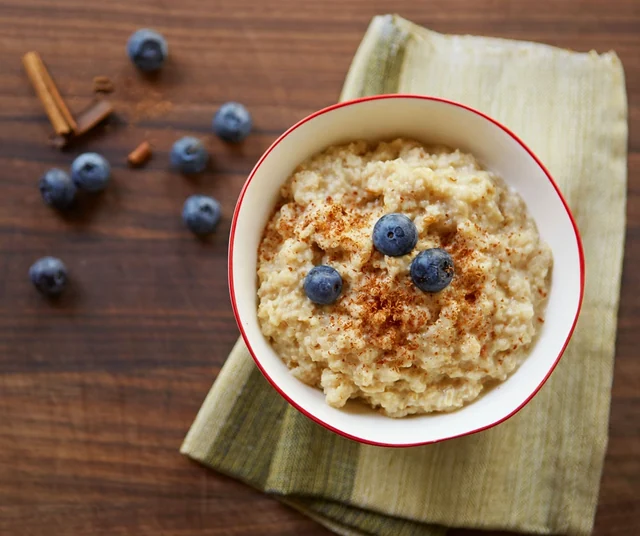
Steel Cut Original is the starting point when you would rather choose the flavor at the table. The plain oat base and flaxseed suit a kitchen where one person wants banana, another likes berries, and someone else simply adds a splash of milk. You can keep a common packet in the cupboard without committing everyone to the same flavored breakfast.
Original also makes sense when you already have a topping you enjoy. A strongly flavored nut butter, a spoonful of cooked apples, or leftover roasted squash can do the work that a flavored packet would otherwise do. Start with one addition and taste before bringing in another. This gives you a clearer idea of what you like, and it keeps a new bowl from becoming a mixture of competing flavors.
Do not assume that Original means interchangeable with any plain oats in a recipe. A quick-cooking steel cut packet differs from a large container of old fashioned rolled oats. It has its own portion and preparation method. If a baking recipe asks for rolled oats, follow that recipe unless you are comfortable experimenting with the result. Choosing an everyday breakfast and choosing an ingredient for baking are related but separate decisions.
Steel Cut Maple & Brown Sugar: a fuller flavored bowl
Steel Cut Maple & Brown Sugar pairs a distinct oat texture with a sweet flavor already mixed into the pouch. It is a useful choice when you want to tear open one packet and keep the rest of breakfast simple. The selected pack contains six 15.1 oz boxes, each with ten individual pouches. Check that whole-pack description when comparing prices.
Maple and brown sugar flavor goes naturally with toasted nuts, ripe banana, or a few slices of pear. You do not need all three. If you prefer a little contrast, choose a topping that brings crunch or a fresh flavor instead of adding another sweet ingredient automatically. Taste the cooked oats first. A packet that tastes complete on its own may need only a spoon and a quiet moment at the table.
This is a different product from 100 Calorie Maple & Brown Sugar. Their similar flavor names can make them easy to confuse when shopping quickly. Look for the range name before looking for maple. The Steel Cut pouch is larger in dry weight, uses a different water amount, and cooks for longer. Saving the full product name in a shopping list is more useful than writing only “maple oatmeal.”
Steel Cut Apples & Cinnamon: fruit in the packet
Steel Cut Apples & Cinnamon includes dried apple pieces alongside the oats and flaxseed. This suits a morning when you would like fruit flavor without chopping an apple before breakfast. The selected format is six 12.3 oz boxes, with ten pouches in each box. Its smaller water amount is worth noticing if you also keep the maple version nearby.
Fresh apple can still be a pleasant addition, but it changes the experience. Thin raw slices stay crisp, while finely chopped apple adds little bursts of texture. Cooked apple produces a softer bowl. Treat each as a topping choice, not as a correction the packet requires. A few chopped pecans can provide contrast without covering the apple flavor with a large quantity of something else.
If you alternate this product with Original, store the boxes so the flavor names face outward. It is a small organizational detail, but it prevents reaching for a familiar dark box and adding the water amount you used yesterday. The pouch's printed measuring line is particularly helpful here. Follow the line on the pouch you opened, rather than remembering one measurement for the entire brand.
100 Calorie Maple & Brown Sugar: a smaller base
The 100 Calorie Maple & Brown Sugar pouch provides a smaller dry serving with the familiar flavor pairing. The number on the range name refers to the oatmeal serving. It does not describe a bowl after you add milk, nuts, fruit, or other ingredients. That distinction is useful when deciding whether you want the packet by itself or as one part of a larger breakfast.
A smaller packet can be convenient alongside something else you already enjoy. Perhaps you prefer an egg and a small bowl of oats, or toast with a warm spoonful on the side. There is no requirement to turn every pouch into a large bowl with several toppings. Think about what you will actually eat, how much time you have, and whether you prefer the oatmeal to be the main dish.
Sweetener ingredients can differ between products and between package versions. Read the ingredient statement on the box you receive if a particular sweetener matters to you. The flavor name and calorie number alone do not answer that question. Our product photos show the selected packaging where available; the physical label is the practical reference when opening a new delivery.
100 Calorie Cinnamon Roll: a familiar flavor, quickly
Cinnamon Roll oatmeal brings a bakery-inspired flavor to the rolled-oat range. Choose it because you like that flavor, not because you expect the texture of a baked roll. The result is still oatmeal: warm, spoonable, and ready for whatever simple finishing touch you prefer. A small spoonful of plain yogurt after cooking can provide a cool contrast.
Flavor intensity is personal. One person may enjoy the packet as it is; another may want an extra pinch of cinnamon. Try it once without additions before deciding. This is especially useful if you are considering a six-box pack for the first time. A familiar word on the package does not guarantee that its particular balance of flavor and sweetness matches the bowl you currently make at home.
We include a range of customer perspectives on the homepage for that reason. A favorable review may tell you that someone buys a flavor regularly, while a critical review may point out a preference that matters to you. Neither replaces your own taste. Read what the person actually liked or disliked rather than choosing solely on the number of stars.
100 Calorie Apples & Cinnamon: check the range name
The 100 Calorie Apples & Cinnamon packet is the rolled-oat option for apple flavor. It shares a flavor family with the Steel Cut product, but the two should not be merged in your shopping list. The six-box 100 Calorie pack contains 9.8 oz boxes. The steel cut version uses 12.3 oz boxes. Both have ten pouches per box in the selected formats.
The apples version in this range uses half a cup of water in the current manufacturer's preparation directions. That is less than the two-thirds of a cup specified for its maple and cinnamon-roll neighbors. If your breakfast shelf holds all three flavors, keep the packet long enough to use its own fill line. Reaching for the same measuring cup every day is fine as long as you check the amount.
For a topping, consider a few thin slices of pear or a little chopped walnut. Those suggestions add a new texture while keeping the apple flavor recognizable. You can also leave the packet alone and serve fresh fruit separately. Keeping the fruit outside the bowl can be convenient if you like eating the oatmeal hot but prefer the fruit cold and crisp.
Read the box count and the pouch count
| Variety | Weight per box | Pouches per box | Pouches in selected pack |
|---|---|---|---|
| 100 Calorie Maple & Brown Sugar | 9.8 oz | 10 | 60 |
| 100 Calorie Cinnamon Roll | 9.8 oz | 10 | 60 |
| 100 Calorie Apples & Cinnamon | 9.8 oz | 10 | 60 |
| Steel Cut Original | 11.6 oz | 10 | 60 |
| Steel Cut Maple & Brown Sugar | 15.1 oz | 10 | 60 |
| Steel Cut Apples & Cinnamon | 12.3 oz | 10 | 60 |
A price can look surprisingly high if you expect one box and the offer contains six. It can also look appealing until you realize you are comparing a single box with a larger pack. Count the boxes first, then the pouches. If you want a simple portion-based comparison, divide the final pack price by sixty for these selected six-box formats. Include shipping or other charges where they apply.
Price per ounce answers a different question because the dry portions are not all the same size. A smaller pouch and a larger pouch may each make one labeled serving. Neither comparison is inherently wrong; choose the one that matches the decision you are making. For planning breakfasts, the number of pouches is often the clearest place to start. For comparing quantities of food, weight can add useful context.
Give ingredients their own moment
The front of a box helps you recognize the range and flavor. The ingredient panel answers more specific questions. If you are avoiding an ingredient, looking for a particular sweetener, or buying for someone with an allergy, slow down and read that panel. A familiar brand name does not mean every flavor has the same recipe, and the word oats does not establish a gluten-free claim.
Pay attention to your own package when it arrives. Manufacturers can revise a recipe or update packaging while older images remain visible online. A label that looks different is a reason to read carefully, not a reason to assume that the contents match a previous order. Keep the box until you have finished the pouches if you expect to need the ingredient list or preparation directions again.
Nutrition comparisons are most useful when you read the serving size beside the numbers. The 100 Calorie range and Steel Cut range do not all use the same dry weight. Adding ingredients creates a different breakfast again. You do not need to turn a relaxed morning into a spreadsheet, but you should avoid comparing two numbers while overlooking the amount of food they describe.

Match your choice to a real morning
For an office breakfast, the equipment matters as much as the flavor. Check that you have access to water, a microwave, a sufficiently large microwave-safe bowl, and a spoon. Individual pouches are easy to carry, but they are not cooking containers. Store a clean bowl where you work if that makes the routine easier. Choose a flavor you enjoy without a complicated topping arrangement.
At home, your choice may depend on what is already in the refrigerator. Original pairs well with a topping you made for something else. A flavored packet is helpful when you do not want to prepare anything extra. If several people eat at different times, individual packets let each person prepare a bowl when they are ready instead of trying to keep one pot at a particular consistency.
For a shared pantry, make the differences visible. Keep Steel Cut and 100 Calorie boxes in separate groups, with flavor names facing forward. A household that shares the same breakfast does not necessarily share the same preferred portion or texture. A small amount of shelf organization makes it easier for everyone to choose without opening several boxes or mixing up the directions.
Decide how much cupboard space to give a favorite
A six-box pack is practical when a flavor already has a place in your routine. Before ordering, think about how often you actually use a pouch. Sixty pouches represent many breakfasts for one person and fewer for a household. That difference affects how much space the pack needs and how quickly you expect to work through it. Check the best-by information on the delivered boxes and rotate older purchases forward.
Keep unopened dry packets in a cool, dry place, following the package's storage instructions. Avoid a shelf that gets damp from a kettle or very warm beside an appliance. Leave the pouches in their labeled boxes when possible; the box makes the flavor and directions easy to find. If you use a pantry bin, include the label or keep one flattened box nearby for reference.
Do not let a large pack force an elaborate breakfast plan. The advantage is having a familiar option available. You can enjoy it simply on a busy day and add something different when you feel like it. Our breakfast ideas guide offers combinations that begin with ordinary fruit, nuts, yogurt, and spices, so the oats can fit around the food you already buy.
Choosing oats for someone else's cupboard
If you are buying for a parent, a student, or another household, ask about the exact product they already enjoy before ordering a large pack. “I like apple oatmeal” leaves several questions unanswered. They may mean steel cut oats, a smaller rolled-oat portion, or a particular sweetness. A photo of their current box can be more useful than a long description. Check the full product name and the number of packets they normally use.
Consider their kitchen as well. Someone who uses a kettle but does not have a microwave needs directions suited to the equipment they own. The microwave methods described here should not be substituted automatically for a kettle method. If they have trouble handling a hot bowl, the size and weight of their usual bowl may matter more than saving a little cooking time. Choose food that fits a routine they can manage comfortably.
A shared household may appreciate two familiar flavors more than a large quantity of an unfamiliar one. If you do not know everyone's preferences, avoid treating a high review score as proof that the whole household will agree. Ask whether they like a plain base or a flavored packet, and whether they generally add fruit or milk. Those everyday details give you a much better starting point than guessing from package colors.
Use reviews for specific questions
Reviews are most helpful when you read them with a question in mind. If you are deciding between textures, look for descriptions of the cooked oats. If the flavor is your main concern, look for what the reviewer found sweet, mild, or strongly spiced. A comment about a damaged delivery may matter when choosing an offer, but it does not tell you what the oatmeal tastes like. Separate the product experience from the shopping experience.
Check the reviewed variation too. A page can group several flavors or package sizes together. Someone discussing Original may not be describing the maple packet you have selected, and a comment about one box does not establish the condition of a six-box shipment. The review's date also provides context. An older account may refer to packaging or ingredients that have since changed. Treat it as an individual experience with a particular purchase.
Look for useful reservations alongside praise. A person who finds Cinnamon Roll too mild may help a shopper who wants a strong cinnamon flavor. Someone who likes a plain base may be looking for exactly what another reviewer considers too simple. You do not need to resolve those opinions into one universal verdict. Decide which description most closely matches the breakfast you want, then give your first bowl a fair trial using the package method.
A short route to your next box
Start with Steel Cut if the texture is the part of oatmeal you look forward to. Choose Original when you want control over the finished flavor, or select maple or apple when you want the pouch to do more of that work. Begin with the 100 Calorie range when a smaller rolled-oat portion suits your breakfast. Then decide between maple, cinnamon roll, and apple according to what you enjoy.
Before opening the purchase page, check the full name and six-box format once more. The product page shows the selected pack and a checked price; confirm the final offer and delivery details before placing an order. Once your box arrives, use the directions printed on that particular package. A good choice starts in the cupboard, but the last small details happen in the bowl.